Serving Texas throughout Austin, San Antonio, Dallas/Fort Worth & Houston
Serving Texas throughout Austin, San Antonio, Dallas/Fort Worth & Houston


Trees are among the most valuable assets on any property. They enhance curb appeal, reduce energy costs, and provide environmental benefits. But like any asset, they require assessment, maintenance, and sometimes, expert intervention. Whether you’re a homeowner, property manager, developer, or municipal planner, a tree condition report prepared by a Certified Arborist offers crucial insight into tree health, structural stability, and management recommendations.
Tree Mann Solutions provides detailed, professional reports tailored to your development needs. In this article, we break down what a tree condition report includes and when you need one.
A tree condition report is a written evaluation of the health, structure, and viability of a tree or group of trees. Prepared by an ISA Certified Arborist, it provides objective information used for decision-making regarding pruning, preservation, removal, or permitting.
– Tree identification and location
– Size measurements (diameter at breast height [DBH], canopy spread)
– Health assessment (foliage, crown density, signs of pests or disease)
– Structural assessment (trunk wounds, cavities, co-dominant stems, cracks)
– Root zone condition and soil issues
– Recommended actions
– Supporting photos and documentation
– Compliance notes (e.g., whether the tree is protected under local ordinances)
There are many scenarios where a tree report is not only helpful—but often required:
Tree ID: T-103
Species: Live Oak (Quercus fusiformis)
DBH: 24 inches
Height: Approx. 45 feet
Health Condition: Good
Structural Condition: Moderate concern – co-dominant stems with weak union at 12 feet.
Recommendations: Install flexible cable system, reduce end weight via crown thinning, re-inspect in 12 months.
Ordinance Status: Protected (City of Austin)
A tree condition report is distinct from a free estimate by a tree trimming company. The former is diagnostic, independent, and documented for liability or regulatory purposes. The latter is often with an objective to sell, and lacks standardized methodology.
Tree Mann Solutions offers reports as standalone services or as part of broader management plans—never tied to unnecessary services.
Conclusion
———-
Tree condition reports offer far more than a snapshot. They are strategic tools for managing your green assets. Whether you’re planning construction or seeking ordinance compliance, a Certified Arborist’s report ensures you have the insight to act wisely and protect what matters.
Contact Tree Mann Solutions today to schedule your professional tree evaluation and make informed decisions with confidence.
In the ever-evolving landscape of real estate development across Texas, one foundational step often determines the success or failure of an entire project: the tree survey. Long before site clearing or construction begins, a comprehensive understanding of the site tree population provides developers with essential data for regulatory compliance, sustainable design, and budget forecasting.
Tree surveys, when conducted by Certified Arborists, are more than a list of tree species—they’re a roadmap to navigating local ordinances, mitigating risk, and aligning with environmental best practices. At Tree Mann Solutions, we help developers identify the value of trees as both natural assets and potential constraints. This article explores why tree surveys are essential, how they work, and what benefits they offer to forward-thinking development teams.
A tree survey is a detailed assessment of trees on a parcel of land, ideally conducted by an ISA Certified Arborist. Each tree is evaluated based on several criteria, including:
– Species identification
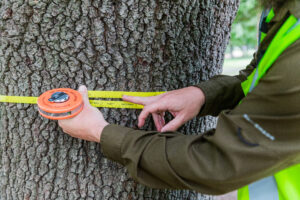
– Trunk diameter (DBH – diameter at breast height)
– Health and structural condition
– Location coordinates
– Notes on environmental context and construction impact potential
This data is used to determine which trees are protected under local ordinances, which ones should be preserved, which ones may be candidates for removal, and the associated mitigation rate for removal (full, reduced, or potentially no mitigation based on condition). In most municipalities, especially in urban and rapidly growing regions like Austin, Dallas, Houston, and San Antonio, submitting a tree survey is a prerequisite for building permits.
Texas municipalities vary widely in how they regulate trees, but many have robust preservation laws. For example:
– Austin’s Tree Ordinance requires permitting for the removal of “Protected Trees” with a DBH of 19” or greater.
– Dallas mandates mitigation for the removal of protected species 8” and larger and outlines specific valuation formulas.
– San Antonio classifies certain small tree species (Texas redbud, Texas mountain laurel, Texas persimmon etc.) as “Heritage Trees” at a DBH of 12” or greater while larger “Heritage Trees” require a DBH of 24” or greater.
Failing to include a tree survey in your permit submission—or submitting an inaccurate one—can delay your project by weeks or months. It can also result in penalties, including mandatory replanting or fines.
From a business perspective, tree surveys can seem like one more bureaucratic hurdle. But in reality, they provide cost-saving and value-enhancing benefits:
1. Avoid Redesign Costs: Catching ordinance-protected trees early allows architects and engineers to adjust site plans proactively, avoiding expensive redraws.
2. Minimize Mitigation Fees: Knowing which trees require mitigation based on their size, species, and condition allows developers to factor fees into their budgets and explore cost-saving alternatives, such as on-site replanting and understory tree credits.
3. Reduce Legal Risk: Having a certified, timestamped survey offers protection against claims of ordinance violations.
4. Improve Community Relations: Developers that respect the canopy often enjoy smoother approvals from local boards and more goodwill from the community.
At Tree Mann Solutions, our approach to tree surveys emphasizes both technical accuracy and regulatory alignment. Our Certified Arborists work directly with developers, surveyors, and civil engineers to provide reports that integrate seamlessly into CAD or GIS systems. We tailor every survey to the unique requirements of each municipality.
– Full site walkthroughs, tree tagging, accurate measurements/species identification., and photo documentation of each tree
– Ordinance-specific reporting formats
– Tree condition evaluations with preservation recommendations
– Mapping files for planners and engineers
– Support during permitting and construction
When paired with our consulting services, these surveys become tools for proactive design, not just regulatory compliance.
Ideally, a tree survey should be conducted **before or during the land survey and site planning phase**. Waiting until just before construction can lead to conflicts between planned improvements and protected trees, especially in areas with large root zones or heritage specimens.
– Incorporate tree data into preliminary grading and drainage plans
– Identify potential conflicts with driveways, utilities, and sidewalks
– Preserve high-value specimens through slight layout shifts
Tree surveys are more than a regulatory requirement—they are a strategic advantage for developers who want to stay compliant and build smarter. From ordinance navigation to site design optimization, a properly executed tree survey is one of the most valuable tools in a developer’s toolbox.
Whether you’re planning a single residential lot or a multi-acre commercial site, Tree Mann Solutions provides the insight, experience, and technical reporting to help you break ground with confidence.
Ready to get started? Contact Tree Mann Solutions today to schedule your tree survey with one of our Certified Arborists.
Trees add beauty, shade, and environmental benefits to residential and commercial properties—but when trees are poorly maintained or structurally compromised, they pose significant safety and financial risks. For property managers, HOAs, and multifamily residential developers, understanding the health and hazards of your tree assets is not just good stewardship, it’s a necessity.
Tree Risk Assessments (TRAs) are a critical resource for proactive property management. Conducted by ISA Tree Risk Assessment Qualified (TRAQ) Arborists, TRAs help you identify hazardous trees and prioritize their maintenance.
A Tree Risk Assessment is a structured evaluation of a tree’s potential to fail and cause harm. Arborists assess biological and structural conditions that may compromise stability and determine the likelihood of tree or limb failure. Should a failure occur, the assessment accounts for potential harm to targets such as people, buildings, vehicles, and utility lines.
– Tree species and age
– Visible defects (cracks, cavities, fungal fruiting bodies)
– Root stability and soil conditions
– Crown structure and branch unions
– Proximity to infrastructure or pedestrian areas
– Recent changes (construction, drought, storm events)
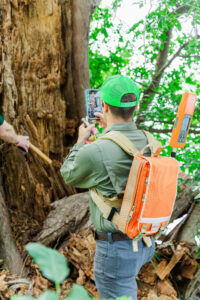
The ISA Tree Risk Assessment Qualification (TRAQ) standardizes this process, allowing arborists to assign a risk rating (Low, Moderate, High, or Extreme) based on the likelihood and consequences of failure.
TRAs can vary in depth depending on the situation:
– Level 1: Limited Visual Assessment
A walk-by or drive-by scan to flag obvious hazards. Useful for large properties with limited access.
– Level 2: Basic Visual Assessment
The most common TRA, involving close-up inspection with basic tools (mallet, probe, binoculars). Includes written documentation and recommendations.
– Level 3: Advanced Assessment
Involves specialized tools like resistograph drills, sonic tomography, or root radar to examine internal decay or root health.
Tree Mann Solutions is certified to conduct all three levels and advises on which is appropriate for your site and risk profile.
– Annually, especially before storm or hurricane season
– After major weather events like windstorms, ice storms, or droughts
– Before property acquisition or sale
– Before planned construction or major landscaping
– Apartment complexes and condos
– Office parks and corporate campuses
– Homeowners’ associations
– Institutional and healthcare campuses
– Retail centers
– Tree inventory and risk mapping
– TRA reports and recommendations
– Permitting assistance for removals
– Ongoing monitoring of preserved trees
– Coordination with insurance or legal teams
Trees can be a tremendous asset or costly liability. For property managers, regular Tree Risk Assessments offer a clear path to managing both. With professional insight, documentation, and action planning, TRAs help you maintain beautiful and financially sustainable landscapes.
Partner with Tree Mann Solutions for a proactive, compliant, and cost-effective tree risk management strategy. Contact us today to schedule your site evaluation.
Texas cities are heating up—literally. As development accelerates across the state, the number of heat-retaining surfaces like asphalt, concrete, and rooftops is dramatically increasing. An increase in heat-retaining surfaces leads to the “urban heat island effect,” where urban and suburban areas experience significantly higher temperatures than surrounding rural areas. In some cities, the temperature differential can reach 10–15°F or more, posing risks to public health, infrastructure, and energy systems.
Urban forestry is one of the most powerful tools we can implement to combat the urban heat island effect. By increasing and preserving tree canopy, municipalities and developers can create cooler, healthier, and more resilient communities. In this article, Tree Mann Solutions explores how urban trees reduce heat, improve livability, and contribute to sustainable growth across the state of Texas.
Understanding the Urban Heat Island (UHI) Effect
The urban heat island effect occurs when undeveloped land cover is replaced with heat absorbing surfaces. Heat absorbing surfaces retain solar radiation during the day and release it slowly at night, preventing cities from cooling down. Factors contributing to UHI include:
– Impervious surfaces (pavement, rooftops)
– Sparse vegetation
– High building density
– Waste heat produced by vehicles and HVAC systems
– Increased energy demand for cooling
– Higher utility costs for residents
– Increased air pollution and ozone formation
– Heat-related illness, particularly among vulnerable populations such as young children and the elderly
– Reduced nighttime cooling and increased nighttime temperatures
Trees reduce UHI through a combination of shading and evapotranspiration:
– A 10% increase in canopy coverage can reduce a neighborhood’s temperature by 3–4°F.
– Tree-lined streets can reduce ambient temperatures by up to 9°F during peak heat hours.
– Cities like Dallas and Austin have identified canopy goals in their Climate Action Plans for this very reason.
Tree Mann Solutions provides urban tree inventory and canopy mapping services that help cities and developers identify where canopy is most needed for UHI mitigation.
1. Tree Preservation During Development
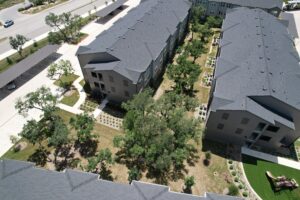
The cheapest and most effective trees are the ones that already exist. Preserving mature trees during construction can prevent canopy loss and help to retain established root systems.
Planting trees is just the beginning. Long-term success requires:
– Irrigation planning, especially during establishment periods and droughts.
– Regular pruning and health inspections: removing failing limbs and identifying poor condition and struggling trees
– Public education: promote tree stewardship and establishing a connection to natural areas
Cities and HOAs must budget for maintenance if they want trees to thrive and deliver cooling benefits over decades. While native trees are often viewed as ideal planting options, the urban forestry industry must advocate for more quality adapted stock and experiment with tree species 1-2 USDA hardiness zones hotter for long-term climate resilience.
Tree Mann Solutions supports municipalities, schools, developers, and HOAs by:
– Conducting canopy assessments and GIS mapping
– Developing urban forestry master plans
– Advising on species selection and placement
– Consulting on construction plans to preserve shade trees and reduce habitat loss
– Coordinating with city officials to meet ordinance and sustainability goals
Urban forestry is not just a luxury, it’s a necessity for cities facing rising temperatures. Trees are a proven, scalable, and cost-effective solution to reducing the urban heat island effect. Whether through preservation, planting, or strategic design, trees can help Texas communities stay cooler, healthier, and make them more livable.
If your development, campus, or city needs a partner in strategic canopy planning, Tree Mann Solutions is here to help. Let’s work together to fight the heat—one tree at a time.
Land development begins with a foundation of accurate measurements—and that foundation is the land survey. But too often, tree preservation is treated as a secondary concern, added after the fact to appease permitting bodies or neighborhood concerns. This disjointed approach can lead to costly redesigns, ordinance violations, and missed opportunities for sustainability.
By integrating arborist insights into the land surveying process, developers and civil engineers can plan smarter, avoid pitfalls, and preserve valuable canopy. At Tree Mann Solutions, we work closely with surveyors to ensure tree data informs and enhances the entire development lifecycle.
In many projects, land surveys are completed early to determine things like property lines, topography, and elevation. However, various aspects of trees (condition, species location, etc.) are often excluded or added later as a separate effort.
Some of the consequences of this disconnect are inaccurate site plans that conflict with tree ordinances, redesigns to avoid protected trees after initial approval, overlooked root zones during grading and trenching, delays in permitting and inspections, and more.
Arborists and surveyors possess different expertise, but their work is complementary. Accurately combining insights early in the development process leads to more accurate development, right off the bat.
Some things a tree informed survey can include are:
– Tree species identification
– Trunk diameter (DBH) measurements
– GPS coordinates of trunk locations
– Canopy spread and root zone estimates
– Health and condition ratings
– Notes on ordinance status or heritage designation
This data helps determine which trees are subject to local protection laws, and how development and design plans should adapt to comply with them.
Most Texas cities regulate tree removal based on DBH, species, and location. Some municipalities require tree surveys to be certified by a Registered Professional Land Surveyor (RPLS), while others do not.
Even when an RPLS is not explicitly required, collaboration between arborists and surveyors is important for rigorous quality control, and for survey-grade locations on larger trees that are integral to design and will be saved close to designed improvements.
Including protected trees in the initial survey avoids surprises and strengthens your permit package. Being thorough in tree data collection can save valuable time and money in the development process.
– Integrated Data Delivery
We provide GIS or CAD-compatible files so tree data can be imported into survey plats and site plans. This makes the process of data transfer and collaboration much smoother.
– Tagging and Mapping
Each tree is tagged with an ID, and its location is plotted using the same geodetic framework as the survey. This ensures proper placement of the trees and their canopies, making design around protected trees accurate and efficient.
– Coordinated Reports
Tree preservation plans reference the same coordinates and tree IDs as the survey documents, simplifying communication with planners and engineers.
A surveyor working on a 15-acre residential development in Buda brought in Tree Mann Solutions to document trees before platting. We identified 22 protected trees near lot lines and drainage easements. By collaborating before finalizing grading plans, the team preserved 80% of those trees without sacrificing buildable area.
– Reduces permitting delays
– Eliminates improper identification and classification
– Prevents conflicts with root zones during trenching
– Supports variance requests with professional data
– Improves community reception of development projects
– Strengthens the reputation of survey and development teams
Tree Mann Solutions uses:
– GPS tools for accurate plotting
– GIS platforms for overlaying trees with data
– CAD-ready tree lists and attribute tables
– Include “tree condition and protection” in your initial scope of work
– Partner with Certified Arborists that are local and familiar with local ordinances
– Deliver survey files with layers for topography, trees, and utilities
– Encourage clients to assess trees before staking or grading
Surveyors and arborists aren’t working against each other; they’re working toward the same goal from different angles. By integrating detailed tree data into land surveys, projects stay on track, meet environmental regulations, and preserve the natural features that give spaces their lasting value!
Tree Mann Solutions partners with surveyors to deliver precise tree mapping and practical protection strategies to map trees with precision and purpose!
Erosion is one of the most persistent challenges facing developers, engineers, and landowners across Texas. Whether on a steep residential slope, a drainage easement, or a creek-side development, unstable soils can cause significant structural damage, soil and water contamination, stormwater complications, and environmental degradation.
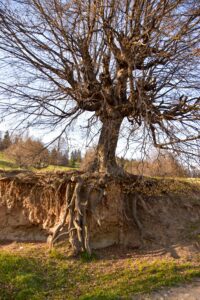
While hardscaping solutions like retaining walls and gabions are common, there’s a quieter hero in erosion control: trees. Their root systems stabilize soil, absorb excess water, and buffer slopes against degradation. In this article, Tree Mann Solutions explores how trees—and smart arboricultural planning—can provide effective, natural erosion control across diverse site conditions.
Soil erosion occurs when wind, rain, or runoff dislodges and moves soil particles from one area to another. Key contributors include:
– Lack of vegetative cover
– Compacted or disturbed soil
– Steep slopes without stabilization
– Concentrated runoff from impervious surfaces
– Channelization near creeks or swales
Erosion leads to sedimentation in storm drains, slope failure, increased landscaping costs, , and property loss.


– Bald Cypress: Excellent for streambanks and floodplains
– Eastern Red Cedar: Strong wind buffer with fibrous roots
– Live Oak: Anchors well in clay soils
– Black Willow: Perfect for wet or seasonal runoff areas
– American/Mexican Sycamore: Large canopy with excellent soil hold
-Ash Juniper: They have a very efficient root system that retains water
-Green Ash; Helps hold up river banks and sustain soil structures in riparian areas
Each site should be matched with species suited to its environmental conditions, soil type, and space constraints
Trees are ideal for:
– Long-term slope stabilization
– Riparian buffer restoration
– Residential hillsides and terraces
– Large detention or drainage areas
– Supplementing infrastructure
– Acute erosion zones with fast-moving water
– Vertical or heavily built-up embankments
– Emergency stabilization before planting
Tree Mann Solutions collaborates with design teams to develop sustainable systems where structural elements stabilize the site short-term while trees and vegetation take over for long-term health.
Trees are more than landscape features—they’re structural allies in the fight against erosion. With the right species, placement, and maintenance, trees can serve as long-lasting, low-maintenance soil stabilizers for Texas properties.
If your site struggles with slope instability or stormwater erosion, contact Tree Mann Solutions to explore natural alternatives to concrete. Let’s make the world greener!
Texas summers are brutal—and our schoolchildren feel the heat more than most. Outdoor play areas, drop-off zones, sports fields, and walking paths can reach surface temperatures above 120°F, reflecting and radiating excess heat and creating dangerous heat conditions that limit physical activity. According to an article written by the University of Georgia Cooperative Extension in 2022, unshaded asphalt and cement surfaces can reach up to 140°F on a day with an air temperature of 95°F. As school districts seek solutions, one simple yet powerful intervention stands out: planting trees.
Urban trees provide shade, reduce ambient temperatures, and create more livable campuses, as well as increase aesthetic appeal. Tree Mann Solutions partners with educational institutions to assess canopy coverage, plan new plantings, and preserve existing trees through development projects. In this article, we explore how trees can heat-proof schools and promote student well-being across Texas.
Children are particularly vulnerable to heat. Their bodies regulate temperature less efficiently than adults, and prolonged exposure increases risks for:
– Heat exhaustion and heat stroke
– Dehydration
– Poor concentration and academic performance
– Skin damage and long-term health issues
– Hardscaped courtyards and blacktop playgrounds retain heat
– Few mature trees exist around outdoor learning areas
– Limited budget or awareness prevents shade infrastructure
Urban Heat Islands and Equity
Schools in lower-income areas often have even less canopy coverage. This disparity in shade access reflects broader environmental inequities and contributes to gaps in student health and performance.
Urban forestry is a public health intervention. Shade trees are not just beautification – they’re a necessity.
Benefits of Trees on School Campuses
1. Temperature Reduction
Shaded areas can be 20–45°F cooler than unshaded surfaces. This makes outdoor time safer and more enjoyable.
Key Areas for Tree Planting
– Playgrounds and recreation zones
– Sidewalks, bus stops, and carpool lanes
– Outdoor seating and lunch areas
– Building perimeters (especially west-facing)
– Athletic fields and bleachers
– Parking lots and teacher loading areas
Designing a School Tree Plan
1. Canopy Assessment
Tree Mann Solutions’ team of ISA Certified Arborists conduct site evaluations to map existing trees and identify shade gaps using GIS and remote sensing technologies.
School trees require:
– Watering for the first 1–3 years
– Regular mulching and pruning
– Protection from lawn equipment
– Damage prevention from students
– Monitoring for pests and disease
Tree Mann offers maintenance plans tailored to district budgets and staff capacity.
Trees are one of the most cost-effective ways to cool campuses, promote health, and create thriving learning environments. As Texas faces more extreme heat, schools must lead by example in building resilience.
Let Tree Mann Solutions help your district plant for the future. We’re ready to assess your needs, develop a canopy plan, and bring more shade to students across the state.
If you want to give your trees the proper care and protection to survive and thrive, then mulching is a great way to do that. But there’s more to it than simply throwing down a pile of wood chips around the trunk. To ensure your trees get the best treatment, it’s important to understand the benefits of mulching and how to properly apply mulch to the trees.
Adding mulch to your trees can provide many benefits. What exactly is mulching? Mulching is the process of covering the soil around a tree preferably with organic materials such as hardwood chips. This layer acts like a protective blanket that prevents weeds from growing, retains moisture in the soil, and moderates the temperature. It also improves the underground environment by introducing beneficial micro-organisms into the soil, as well as providing slow-release nutrients to feed hungry roots. Mulching is an important part of tree care that can improve the health and extend their lifespan.
Mulch can be great at protecting the tree roots by helping guard against extreme temperatures that could otherwise be damaging. In colder climates, mulch acts like an insulation blanket, trapping heat in the soil and keeping the roots warm. While in hotter climates, mulch helps diffuse direct sunlight which can quickly cause overheating and water evaporation. Regulating temperatures around the root area, will reduce the stress on the trees and protect the micro-organisms that help your trees grow vigorously.
In addition to these benefits, mulching helps trees look more attractive by giving them a neat appearance that contrasts well with other plants in your garden or yard. Plus, it’s much easier to mow or weed eat around mulched areas and not damage the trees! Also, mulch will help direct fertilizer into the soil and down to the roots rather than being lost in runoff water.
First, it’s important to use the right type of mulch. Using organic materials like hardwood chips is preferred versus inorganic materials because they break down slowly over time, releasing essential nutrients into the soil.
Second, an adequate amount of mulch needs to be applied. A two-to-four-inch layer is optimal and it’s important to evenly spread the mulch out to the edge of the canopy and if possible further. You should be able to see a thin layer on top of the soil but not too much where you can’t see any soil at all.
If your area has vehicles or heavy equipment then a deeper layer (up to six inches) will reduce soil compaction, helping protect the roots. After events in the area are complete, it is important to spread the mulch back to two to four inches. Too much mulch can prevent gas exchange and suffocate the root system.
Water the trees after mulching to help remove any trapped air out from under the mulch layer and ensure oxygen reaches the roots. Watering also helps with settling any dirt or debris that may have been stirred up during the application of laying down the mulch material. Remember that proper irrigation is essential! Overlooked watering cycles can be disastrous for newly planted or older trees, regardless of how much effort you have put into protecting them with layers of organic materials. Make sure to set up appropriate irrigation systems (or apply water by hand if needed) to maximize the benefits of your efforts!
Do:
Don’t:
Lastly, keep monitoring your trees regularly after applying mulch. Make sure there aren’t any signs of disease or pest infestations that could harm your trees if left unchecked. If there is anything unusual observed, act right away before it spreads further into other parts of your landscape or yard.
By understanding the basics of mulching, you can ensure that your trees get the best treatment possible. When done properly, mulching can be an incredibly rewarding activity for both you and your beloved trees. Not only will they thank you with vibrant foliage come springtime, but you’ll also enjoy knowing that you’re doing something beneficial for one of nature’s most important living beings – our majestic trees!
 With spring upon us, the planting season in Central Texas is coming to an end. Our team at Tree Mann Solutions want to share the importance of biodiversity when selecting trees for planting at your home or in a new development site.
A simple definition of biodiversity is the variety of life in a place or on Earth. The more biodiverse an ecosystem is, the healthier and more resilient it is to any environmental or biotic stressors. The same goes for the urban forest we all live in. Besides resiliency increasing with tree biodiversity, it also increases wildlife habitat and the many beneficial ecosystem services trees provide us.
To increase the likelihood that there will be a thriving urban forest for decades to come, we need to be mindful when selecting trees for planting. The most common mistake when selecting trees people will choose the same tree for a uniform look. This creates a monoculture that is then highly susceptible to diseases and pest. The famous Dutch elms disease wiped out a vast majority of the urban forest across the U.S. due to the prevalence of elm trees. Now the Emerald Ash Borer has wiped out many of the ash trees in the Northeast leaving streets bare and is currently spreading across the U.S. Here in Central and South Texas we have a rising issue with Oak Wilt wiping out sloughs of Live Oaks and Red Oaks. The rapid spread of these species targeted diseases and pest can be limited by increasing the biodiversity of the trees in the urban landscape. An increase in the number of tree species limits the spread by decreasing the number of susceptible hosts for these diseases and pest to thrive.
With the warming climate exacerbating more extreme weather events, it is essential to begin to select trees that are more resilient to the increase in temperatures and droughts. Still these drought hardy trees shouldn’t be the only trees to plant because as we have seen in Texas these past winters that cold freeze snaps are still possible and could wipe out these trees. So, choosing a variety of species that can handle a multitude of climates and provide many wildlife and ecosystem services is essential.
 Tips for Increasing Biodiversity
The widely used 10-20-30 rule for tree planting suggest that an urban tree population should include no more than 10% of any one species, 20% of any one genus, or 30% of any family. This has been a subject of debate recently due do to if this rule is followed then 1/5th of the tree population could be loss. This is a significant amount of urban canopy that would be gone. This rule however is still better than traditional monoculture planting in urban environments that has been practiced throughout the country. Recently experts in the arboriculture industry are suggesting a new rule, “look around”. If you look around and see a tree planted nearby, plant a tree of a different species. The more species of different genera or family’s you plant the more biodiverse and resilient your tree population becomes. This is going to be extremely important with the uncertainty of the weather and potential pest and diseases that the future holds. If we want to have a thriving urban forest for the generations to come we need to be more creative and diverse with the trees we plant today.
There are many guides out there to help find new trees and what are best to plant for your site and region. The Texas A&M Forest Service tree planting guide is a great resource to use; www.texastreeplanting.tamu.edu. Also feel free to reach out to our team if you have any questions! We appreciate our clients, colleagues, and friends and want to be a resource for healthy trees across Texas!
Our team at Tree Mann Solutions wishes our clients, colleagues, and friends a Happy New Year! In this coming year, we want to identify common issues and recommendations to help empower our partners to be stewards of healthy trees across Texas.
We wanted to share two problems that our team encounters on a regular basis that are more common in planted trees but are also found in native landscapes.
 Buried Flares
A buried flare typically happens when planting depth is too low or fill is placed over the existing root flare (also called the root collar) during construction and the tree is buried. Another common occurrence is improper “volcano” mulching where mulch is not spread out properly and is piled up against the trunk. Burying the flare limits the tree’s ability to exchange critical gases and nutrients and triggers the tree to produce adventitious roots to grow closer to the soil surface in new media placed on top of the root ball. As these roots grow and mature, it’s common that they grow out from and across the trunk and can form girdling roots. To avoid a buried flare, our recommendation is to plant trees higher than grade to account for settling and mulch trees property. If you encounter a buried flare on an existing tree, reach out to a Certified Arborist to assess. They may perform a root collar excavation with either a shovel or an air knife that uses compressed air to blast away media from the root ball while not damaging the tree.
 Girdling Roots
A girdling root is a root that makes direct contact with the trunk and can grow large enough to constrict the vascular flow of nutrients and water through the tree to the point of injuring and potentially causing dieback within the tree. This can be caused by a buried flare, a root-bound tree, or can occur less-commonly in a native landscape. Our recommendation if you encounter a girdling root would be to call a Certified Arborist to assess and, if necessary, perform a removal procedure with an appropriate care plan to aid in the tree’s recovery. The arborist will weigh options and recommend the best course of action to take to minimize short-term damage to the tree while maximizing long-term tree health.
Please reach out to our team if you have any questions! We appreciate our clients, colleagues, and friends and want to be a resource for healthy trees across Texas!
Our team at Tree Mann Solutions wishes our clients, colleagues, and friends a Happy Spring! In this upcoming season, we want to educate our partners to be stewards of healthy trees across Texas. Spring is a time of new beginnings, not just for leaves and seedlings, but also for pests like insects, fungi, and bacteria.
We want to share a few tips and tricks that can help your trees succeed, whether you own/manage a newly planted live oak seedling or an old, mature pecan. Wholistic suggestions that any homeowner/manager can do, without any chemical applications.
 To Treat
Trees, shrubs, and plants are living beings that are in constant flux, competing for nutrients, water, and space. The goal of Plant Health Care (PHC) programs is to help maintain or improve the landscape’s appearance, vitality, and safety using the most cost-effective and environmentally sensitive practices and treatments available (trees are good.com). However, many times PHC usually just means spraying/applying products to eliminate the symptoms a tree is exhibiting. Applications have their place in our urban environment. At times, a pesticide application is the only way to provide care for a tree. A deadly example threatening us in the Central Texas region is the emerald ash borer and our native ash trees (green ash, Texas ash, etc.). A perfectly healthy ash tree can decline and die overnight if not pre-treated for an emerald ash borer infestation.
 To Not Treat
Most tree-related health issues can be addressed and improved with simple techniques that are cost efficient and effective. It all starts with planting native, hardy trees that are acclimated to our climate and our conditions. If planting on a dry site where irrigation is limited, a native cedar elm will do much better than a water thirsty bald cypress. Proper site planning can yield benefits for generations to come. As our environment is always in flux, nutrients are being transformed from one state to another. Fertilization is a favorite of both applicators and tree managers. A more sustainable, cost-effective way to feed trees is right before our eyes. Rather than bagging up the leaves that a tree drops, one can grind them up and leave them in the yard for them to cycle back into their local environment. The most common issue prevalent in urban landscapes is overwatering. Trees can sometimes be so overwatered that they “drown”. These “drowning” symptoms are then treated, but the root cause remains. When the most effective treatment is to simply reduce the timer on the irrigation system. At TMS, we strive to view plant health care as an important part of our toolbelt that we only reach for in certain cases. Wholistic techniques to plant health care can often yield healthier trees and healthier people.
Please reach out to our team if you have any questions! We appreciate our clients, colleagues, and friends and want to be a resource for healthy trees across Texas!
Our team at Tree Mann Solutions would like to share the common symptoms of oak wilt observed in Texas in hopes to help educate the public and raise awareness for this highly infectious fungal disease.

Pattern of mortality, likely in the TX hill country.
Trees don’t ‘just die’; every case of mortality in trees is caused by specific pathogens, cultural practices, or environmental factors; often a combination of all three! A large cluster of stressed, dying, or dead oaks can be an indication of oak wilt spreading through grafted roots. If the trees are near one another there’s a high possibility the trees have grafted roots; creating an easy environment for tree-to-tree infection. If you observe a series of dead trees, or a series of tree decline among numerous specimens, particularly in areas near or adjacent to active oak wilt centers, then there’s a possibility that the culprit is oak wilt.

Veinal necrosis on an oak leaf

Leaf scorch on red oak leaves
Leaves will be a quick tool to identify a stressed tree. Disturbances in the roots can result in abnormalities in leaves, particularly scorching, or “tip burn”, and veinal necrosis. If you begin noticing these symptoms on leaves it may become necessary to evaluate the immediate area and look for a pattern of mortality, additional symptomatic leaves, and/or possible causes of the damage. Unfortunately, there is no 100% accurate symptom of oak wilt, tissue tests are the most reliable form of oak wilt identification but can result in false negatives. Veinal necrosis can occur due to lightning damage, and leaf scorch can be caused by numerous root and leaf pathogens. Just because you notice symptomatic leaves is not necessarily a guarantee that the cause is oak wilt. Consulting with an arborist or inquiring about active oak wilt sites will provide additional information to determine the likelihood of infection.
A stormwater plan is often one of the first elements of a site design to be considered. The area is first assessed for existing drainage, and then proposed drainage is planned and adjusted pretty regularly throughout the design process. Stormwater systems are costly, time consuming, and can have catastrophic consequences if designed or built incorrectly. According to City of Austin municode and various other central Texas municipalities, “Stormwater runoff peak flow rates shall not be increased at any point of discharge from a site for the two (2), ten (10), 25 and 100-year storm frequency events”1. This means that the amount of stormwater runoff coming from a site must be equal to or less than it was before the property was developed.
So where do trees come in? Speaking technically, they come in at the “C” of the Rational Method defined as Q p = CiA. In layman’s terms the Rational Method is an equation we use to relate rainfall to runoff. The C in this equation is called the “composite coefficient of runoff” and represents the proportion of rainfall coming off the site that will reach the drainage system. Put reversely, it can be seen as how much of the rainfall will or won’t be absorbed by the site. Developed areas, areas with larger slopes, and areas with little vegetation have a higher C coefficient (tables provided). Without getting too into the nitty gritty on subjects that folks much smarter than me have studied, it means that trees can reduce the amount of stormwater runoff! Given all the flooding happening in central, south central, and south Texas in the past two decades, and the costs of material and labor to build these man made drainage systems, it seems like a no brainer to pair tree preservation with stormwater design. So now that we know trees do reduce stormwater runoff, let’s take a further look into how trees accomplish this and the other benefits they provide within the scope of our stormwater systems.


From canopy to roots and roots back up to canopy, trees are working hard to redirect runoff from the drainage system. The canopy not only deflects raindrops from hitting the ground directly, thereby protecting from excessive erosion, but it also captures water on the leaves which are later evaporated back into the atmosphere. Actually, it has been found that evergreen species can maximize the amount of water intercepted. Hello, Ashe juniper! The roots stabilize the soil which prevents erosion, but also, they literally uptake water they need to thrive out of the soil. According to the Center for Urban Forest Research, “…a typical medium-sized tree can intercept as much as 2380 gallons of rainfall per year” 2. Apart from reducing the amount of runoff, the water that slowly drips down the canopy, branches, trunk, and then roots has been shown to increase infiltration and thereby groundwater recharge. Lastly, trees can increase the quality of the water released back into the system. “Plants, especially woody plants, are very good at removing nutrients (nitrates and phosphates) and contaminates (such as metals, pesticides, solvents, oils and hydrocarbons) from soil and water. These pollutants are either used for growth (nutrients) or are stored in wood” 3. This is proof that trees are an essential tool we should be using to avoid fertilizers, petroleum hydrocarbons, nitrates, and heavy metals from reaching our watersheds and oceans.
It is clear that trees have the power to not only reduce, but also purify stormwater runoff. The more trees and vegetation in an area, the more water that will be absorbed onsite. The result is an overall lower peak outflow which requires a less robust stormwater plan. As mentioned before, these systems are timely and costly to install, so it begs the question: Why is tree preservation not a part of the stormwater design process in any capacity?
An estimated 83% of the U.S. population resides in urban areas. When keeping this statistic in mind, it is obvious that it is more important than ever to make sure our urban infrastructure can support our urban population. The growth of our cities has resulted in a decline in urban canopy cover and an increase of impervious surfaces. An increase in impervious land area increases stormwater runoff and contributes to flooding, increases the urban heat island effect, and increases energy demands.
The average temperature in cities is 1-7°F warmer than the temperature in nearby suburban and rural areas. This is termed the “urban heat island effect” and has numerous negative impacts including increased air pollution, increased energy demand, and alteration of weather patterns. One way to combat the urban heat island effect is to plant more trees. Trees act as a natural “air conditioner” via evapotranspiration and result in lower temperatures. As trees release water vapor and provide shade, they have been found to reduce the air temperature by 2-9°F and can reduce the surface temperature of nearby objects by up to 45°F.
Here in Central Texas, keeping your home cool in the summer can be difficult (and expensive!). By taking advantage of the cooling property of trees and reducing the urban heat island effect, you can also lower your A/C bill. Not only do trees cool the air and provide shade in the summer, but they can block the wind in the winter. This means that trees can lower your heating bill too!
The presence of mature trees on your site can increase your property value on average 3.5-4.5% and has been known to increase property value by up to 20%! Unlike many other investments we make in life, trees’ value appreciates as they age. Whether mature trees are present on your residential or commercial lots, the monetary value their aesthetics bring to your property is priceless!
We often forget that we are not the only creatures residing in our cities. Although cities sometimes seem devoid of wildlife, they can be a home to wildlife too – but only if we continue to leave a little space for them to thrive. Trees provide food and a home to local wildlife, from insects and birds to squirrels and deer. All forms of life are integral to a balanced ecosystem, and trees can help us achieve biodiversity of both the plant and animal kingdoms.
The built environment of many cities has led to a significant amount of stormwater runoff that has contributed to water quality impairment across the nation. Tree roots intercept stormwater with their leaves, stems, and roots, thereby reducing stormwater runoff and erosion. A single mature tree can intercept over 1,000 gallons of stormwater runoff per year, effectively decreasing pollution and reducing erosion within the built environment. As trees intercept rainfall, they also neutralize many chemicals and pollutants to improve local water quality as well as reduce evaporative loss of water.
Although this newsletter only discussed 5 benefits of urban trees, there are many other benefits not mentioned – including decreased air pollution, increased immune health, increased urban biodiversity, faster recovery time of hospital patients, promotion of physical activity, improved mental health, carbon storage, and aesthetic value.
Whether regarding finances, conservation of resources, or personal health, we all have a need for trees in our cities!
Finding the diameter of a tree is used for all sorts of things like determining value, finding correct dosage for insecticides and injectables, or just seeing how much the tree has grown over time. And depending on how it is done, the results can vary a lot! If you find yourself needing to measure a tree, you can use these standard guidelines to measure just like the pros.
First, make sure you are using diameter tape. Different from a tape measure, this tool is designed for finding the diameter of a cylinder. It is very useful if your diameter tape has standard tape measure increments on the back side of the tape.
Next you will want to look at the tree in question. Is it straight and even? Is it leaning or have swelling? If it is straight and has no obvious bulges, you will measure normally to find the DBH (diameter at breast height), which is the diameter of the trunk at 4.5 ft from the ground. Wrap your diameter tape around the tree, making sure it stays at 4.5 ft all around the trunk, and record your measurement as soon as you can so you don’t forget!
Trees don’t always have nice, straight, single trunks for us to measure. Refer to the below guidelines for all sorts of different tree measuring situations.
Some non-native tree species, like crepe myrtles, have little negative affect on the native landscape. Non-native species (Chinaberries, Ligustrum, white mulberry etc.) that cause ecological harm, are known as invasive species. Often, invasive tree species grow fast, spread easily, and can quickly dominate native landscapes. They push native species out and minimize diversity, creating monocultures. The plants and animals of a particular area have evolved alongside native trees, using them for food, shelter, and a variety of other purposes. In places that are dominated by invasive species, these native resources are less abundant and the overall health/population numbers of native species suffer.
Invasive species typically have shallow roots with few branching fibrous roots. Reduced root structure due to invasive species spread can lead to erosion. The eroded sediment can then be released into nearby streams and rivers, increasing their turbidity, and hampering their water quality. Invasive species cause countless similar problems. It’s estimated that invasive plants cost the U.S. economy $120 billion annually in lost crop/livestock production, control efforts, property value damage, and reduced export potential. Many of these invasive species are trees. Everything is connected; any changes big or small could have drastic ecological consequences.
The moral of the story is to plant native and/or non-invasive trees; there are many to choose from for a given area. “The right tree in the right place” is a common saying among arborists, and part of finding the “right” tree should include research on those that are native to and/or grow well in your area. Texas A&M’s “Texas Tree Planting Guide” is a good place to start. After selecting your county and desired tree size, you will get a list of suitable native/non-invasive species to choose from. Texas Parks and Wildlife’s list of native plants are categorized into the 10 Texas ecoregions and is also an excellent resource.
One of the most popular planted native tree species in central Texas is the live oak (Quercus virginiana). While live oaks are a great choice, keep in mind the importance of diversity. If your neighborhood largely consists of oak trees, consider planting something from a different family of trees. If a pathogen like oak wilt spreads to your neighborhood, it would be good to have some non-oaks (or an oak wilt-resistant oak, like a Burr oak) so you don’t lose every tree on your property, all at once. Aside from oaks/oak wilt, with the amount of trade/travel into and out of the country, foreign pests and pathogens are always knocking on our door. Don’t put all your eggs in one tree family/species basket!

Cedar Elm
Cedar elms (Ulmus crassifolia-pictured right) are one of my favorite shade trees that are native to our area. They thrive in a variety of soil types, are drought resistant (but can also tolerate wet soils), provide ample shade, and have beautiful fall foliage. They’re tough, grow at a moderate rate of 13-24 inches a year, and their seeds attract a variety of wildlife.

Pecan Tree
Pecan trees (Carya illinoinensis- left) are another one of my favorites. Like cedar elms they can thrive in a number of different soil types, grow at a moderate growth rate (13-24” a year), and also provide nutritious food for wildlife. An added benefit: they produce nuts that humans can harvest and enjoy!

Mexican Sycamore
Although Mexican sycamores (Platanus Mexicana- right) are not native to our area, they are and excellent choice (and are not considered invasive). They are THE fastest growing quality shade tree; 5 feet a year or more is not uncommon. They have beautiful showy bark/foliage and thrive in a variety of soil types. Also, they are far more drought tolerant and insect/disease resistant than their American counterpart!

Eastern Red Cedar
Eastern red cedars (Juniperus virginiana-left) are an often-overlooked option. This evergreen juniper (not actually a cedar as the name implies) can grow in many soils, even in rocky barren soils that few other trees can grow in. It is the most drought tolerant conifer in North America and can withstand both the Texas heat and more cold weather than Texas has to offer. They can function as a standalone specimen or in groups and/or as a screen or wind break and provide excellent cover/food for wildlife.
If you need help selecting or planting a new tree or need assistance with any tree and/or development related topics, feel free to contact Tree Mann Solutions for advice. We are here to help Texas “Save Time, Money, and Trees”, and we love doing it!